



As temperatures drop across Central Kentucky, homeowners in Lexington face the triple threat of humidity, ice storms that weigh down power lines and the strain of heating systems running full blast.
While you are busy weatherproofing your windows or stocking up on driveway salt, you may overlook a silent risk hiding behind your walls — especially if you have an older home. Electrical fires peak in December through February. They are usually the result of overloaded circuits, neglected heating equipment and improper holiday lighting setups.
We’ve designed this winter electrical safety checklist to help you identify hidden hazards before the first deep freeze hits the Bluegrass State. Follow these steps to keep your lights on, your family safe and your holiday season bright.
Indoor Safety
Freezing temperatures sharply increase demand on your home’s electrical system. Supplemental heating and holiday decorations can overload circuits already near capacity. Work your way from the inside out to prevent electrical fires in winter.
Space Heaters and Electric Blankets
Topping the list of electrical safety tips for winter are space heaters, which cause about 32% of home heating fires. Adhere strictly to the three-foot rule for safe use. Keep all combustible materials, including curtains, bedding and upholstered furniture, at least three feet away from the heating element in every direction.
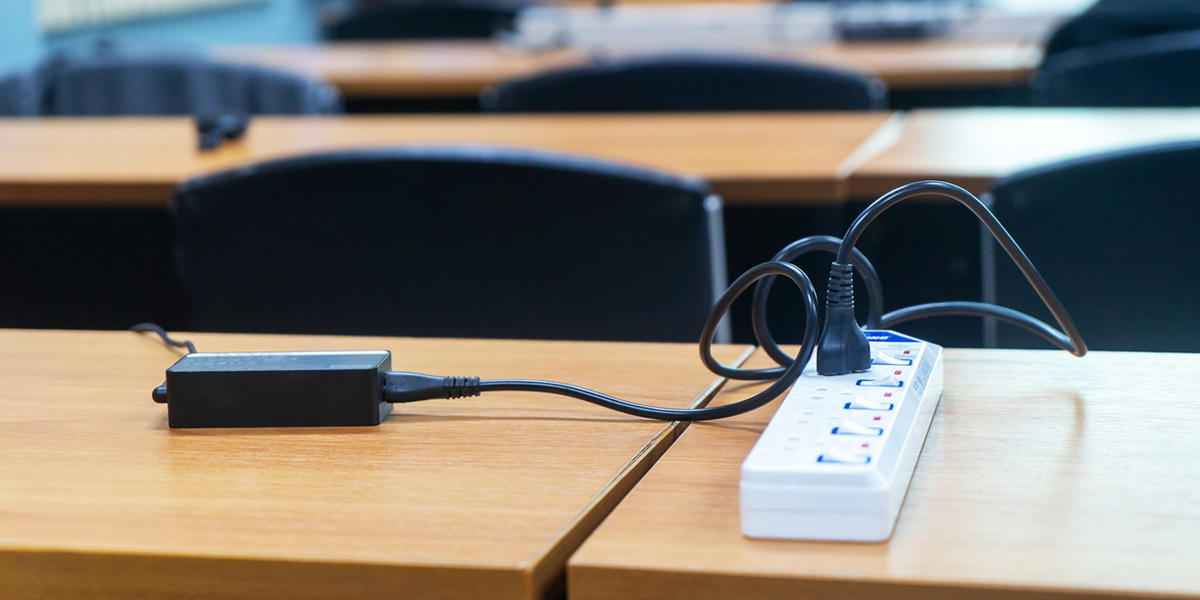
Always plug these units directly into a wall outlet instead of an extension cord or power strip. Heaters draw continuous high amperage that can build up heat, melt insulation and spark a fire.
Inspecting your electric blankets is also crucial, as leaving them folded tightly in storage for months may damage the internal wires. Before putting one on your bed for the season, spread it out flat and check the cord and fabric. Look for dark, scorched spots, frayed fabric or crimped wires. Discard if you see wear.
Holiday Lighting
Thoroughly check holiday lights before plugging them in. Run your fingers along the wires to check for cracks, bare spots or loose connections to avoid the hazard of sparks near a real Christmas tree.
If you still use older incandescent strands, consider upgrading this year. LED holiday lights use up to 75% less energy and last 25 times longer than incandescent lighting. LEDs also run much cooler, significantly reducing the risk of dried-out pine needles catching fire.
Follow the rule of three — never connect more than three strands of standard incandescent lights end-to-end. Doing so creates excessive resistance that can blow the fuse in the plug or overheat the wire.
Circuit Overloads and Panel Strain
Many of Kentucky’s charming older homes still operate on 60- or 100-amp electrical panels. These systems may fail under modern loads.
Watching for warning signs of an overloaded circuit is an ongoing task on your seasonal electrical safety checklist.
- Momentarily dimming lights when the refrigerator or furnace cycles on
- A buzzing sound coming from an outlet
- Having to constantly reset a tripped breaker
If you find yourself frequently resetting breakers, talk to a professional about bringing your home’s capacity up to modern safety standards.
Carbon Monoxide and Smoke Detectors
Make sure your setup meets the current Underwriters Laboratories standard. Before the holidays begin, test every smoke and carbon monoxide detector in your home. Replace the batteries now so you won’t have to worry about the low-battery chirp waking you up at 2 a.m. in January.
Outdoor Defense
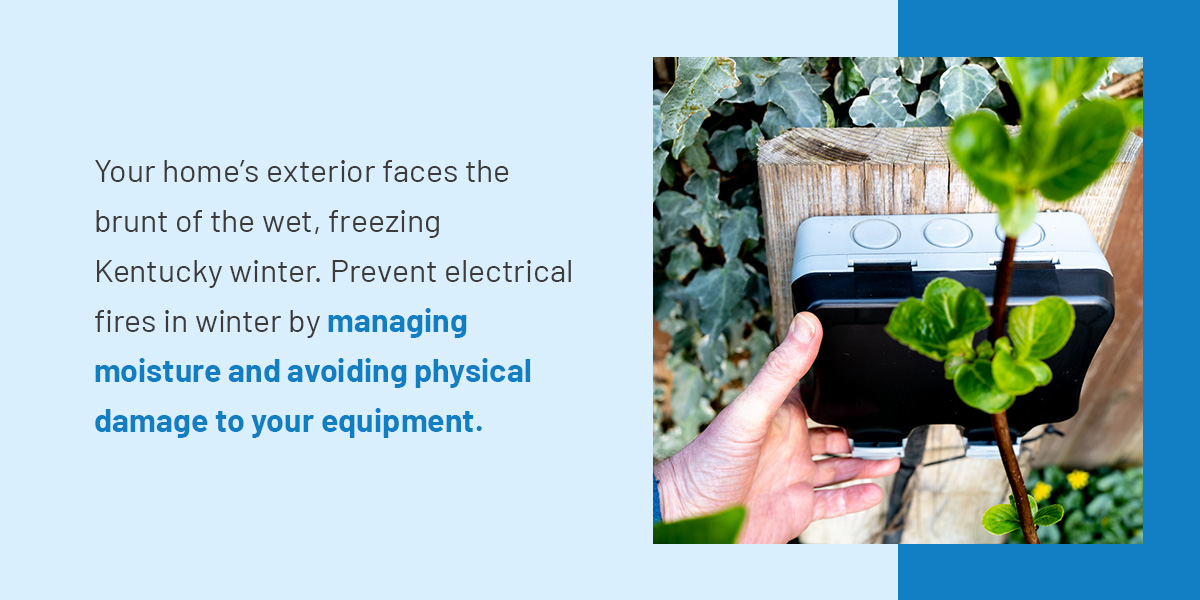
Your home’s exterior faces the brunt of the wet, freezing Kentucky winter. Prevent electrical fires in winter by managing moisture and avoiding physical damage to your equipment.
Exterior Holiday Lighting
Water and electricity can be a deadly combination. Check that every light strand or decoration you use outdoors is suitable for exterior use. Also, you should always plug your outdoor decor into a ground fault circuit interrupter outlet. These outlets will instantly cut the power if they detect a change in current, like electricity leaking into water or snow.
Use insulated plastic clips when hanging lights. Metal staples can pierce wires’ protective insulation, creating a short circuit that could energize your gutters or metal siding.
Outdoor Outlets and Fixtures
Outdoor outlets that only have flat covers are vulnerable. The flap remains open when you plug in cords, exposing the connection to blowing snow and rain.
Upgrade to in-use covers, often called bubble covers. The covers snap shut while keeping cords plugged in, creating a watertight seal around the plug. Also, check the foam gaskets behind your outdoor flood lights and outlets. If the rubber has rotted away, moisture can seep behind the siding and into the electrical box, causing corrosion and shorts.
Power Line and Ice Awareness
If an ice storm is in the forecast, go outside and look at your service drop — the line that runs from the utility pole to your house. Are tree branches resting on it or swaying dangerously close? Contact your utility provider if you spot potential hazards.
If accumulated ice pulls down an electrical line, assume it is live and possibly deadly. Stay at least 35 feet away and immediately call 911 and the utility company.
Emergency Preparation
When the power goes out in January, it can become dangerous quickly as temperatures inside the home drop. Preparation is the final phase of this winter electrical safety checklist.
Backup Generators
Portable generators pose significant risks if used incorrectly. Never run one in a garage, on a porch, or near a window. Carbon monoxide poisoning is a real threat.
Consider installing a built-in generator for a safer, more reliable solution. Unlike portable units that require manual setup in the rain and snow, a standby generator detects the outage and turns on automatically. It runs through a transfer switch that safely disconnects your home from the grid and powers your heating system, keeping pipes from freezing and your family warm.
If you already have a generator, run a test cycle to ensure it’s ready to perform before the first freeze.
Electrical Emergency Kit
While it’s tempting to light candles during a power outage, open flames represent a significant fire hazard, especially if you have pets or children. Stock your emergency kit with battery-powered LED lanterns instead.
Buy a portable power bank and keep it fully charged so your phone can continue receiving weather alerts and text messages from loved ones. Also, familiarize yourself with the manual release cord on your electric garage door opener so you don’t get trapped in your garage when the motor cannot lift the door.
Food safety is another priority during an outage. A closed refrigerator will stay cold for up to four hours, while the temperature of a full freezer will remain stable for about 48 hours.
Smart Home Devices
When power returns after a blackout, it often comes back with a surge of voltage. This spike can damage the sensitive microprocessors in your smart thermostat, refrigerator and computer.
For peace of mind, consider installing surge protectors directly at your panel to prevent the surge from traveling through your home’s wiring and damaging your expensive electronics.

Are You Ready for Central Kentucky’s Freeze?
While this winter electrical safety checklist features simple tasks you can complete yourself, it helps to know when to call for backup. You can quickly change light bulbs or test your smoke detectors this weekend. However, you need a professional if your outlets are hot to the touch, your breakers trip constantly or your lights flicker when the wind blows.
At GreenBox Home Services, we are local Kentuckians serving our neighbors. We understand the specific demands our climate places on your home.
Take the guesswork out of your safety this season. Contact us today to schedule a comprehensive electrical safety inspection. Let us prepare your home to withstand the winter, so you can focus on enjoying this time of year.