



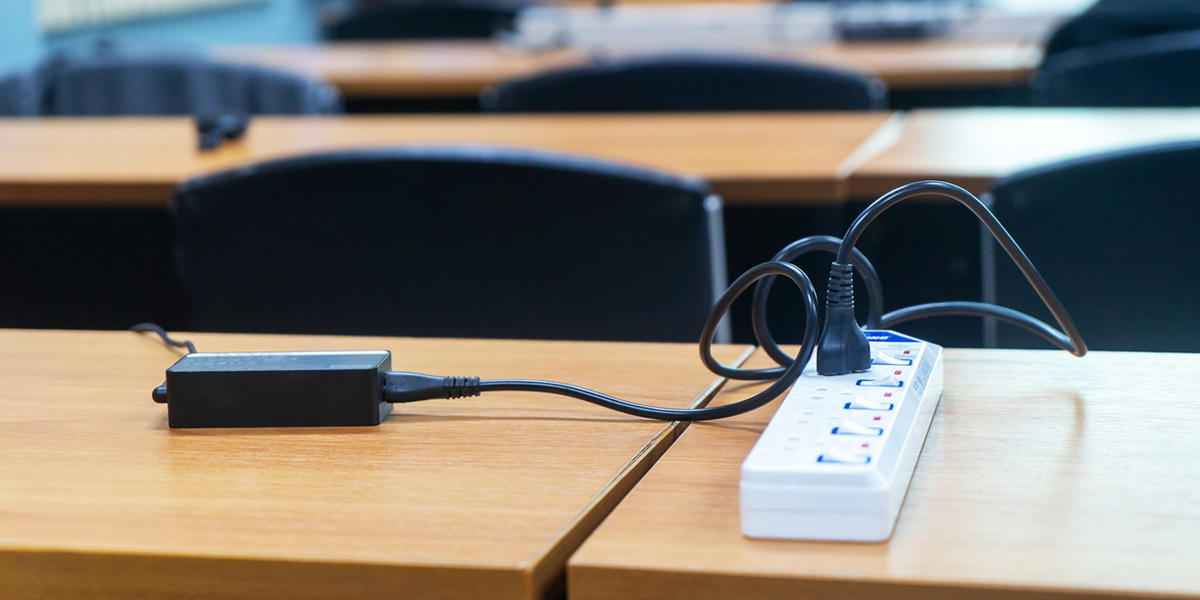
Electrical safety is crucial for businesses, directly impacting safety, efficiency and profitability. As a business owner, you are responsible for ensuring that your electrical system complies with all applicable safety standards and regulations.
Ensure workplace electrical safety with this guide’s actionable strategies and comprehensive compliance checklist.
Understanding Workplace Electrical Safety Standards
The Occupational Safety and Health Administration (OSHA) is the primary federal agency responsible for workplace safety, including electrical regulations. They enforce standards developed by the National Fire Protection Association, such as NFPA 70E, which addresses safe work practices, as well as the National Electrical Code (NEC), which sets the standards for safe electrical system installations.
Compliance with OSHA’s electrical safety requirements is mandatory for every business. However, state governments can sometimes have additional or more stringent regulations than OSHA, depending on their specific needs. For instance, they might want extra protection against electrical surges, require special labels on wires, or cover dangers that OSHA doesn’t mention. Because these requirements can vary, it’s a good idea to double-check with your local government or consult a qualified electrician to ensure full compliance.
Consequences of Electrical Noncompliance
Failure to meet electrical safety compliance standards can create the following problems for your business:
- Electrical hazards: Ignoring safety regulations can cause electrical fires or severe injuries due to electrocution.
- Legal penalties: Regulatory agencies can issue fines and penalties for electrical safety violations. If an electrical incident causes injury or property damage, your business may face lawsuits or other legal action.
- Downtime and lost revenue: Electrical failures can shut down equipment, halt business operations or interrupt essential business systems.
- Inspection failures: Failing an electrical inspection can create serious setbacks for your business. For example, your business may be forced to suspend operations until repairs are completed and the property passes reinspection. Your permits or operating licenses may also be revoked if the violations continue.
Always keep detailed records of electrical inspection paperwork, maintenance documents, and employee training related to electrical safety. These records serve as proof that you’re taking the necessary steps to comply with regulations and can be helpful for future inspections.
Your Comprehensive Business Owner Electrical Compliance Checklist
Use this checklist to verify that your business’s electrical system meets OSHA electrical safety requirements:
1. Visual Inspections
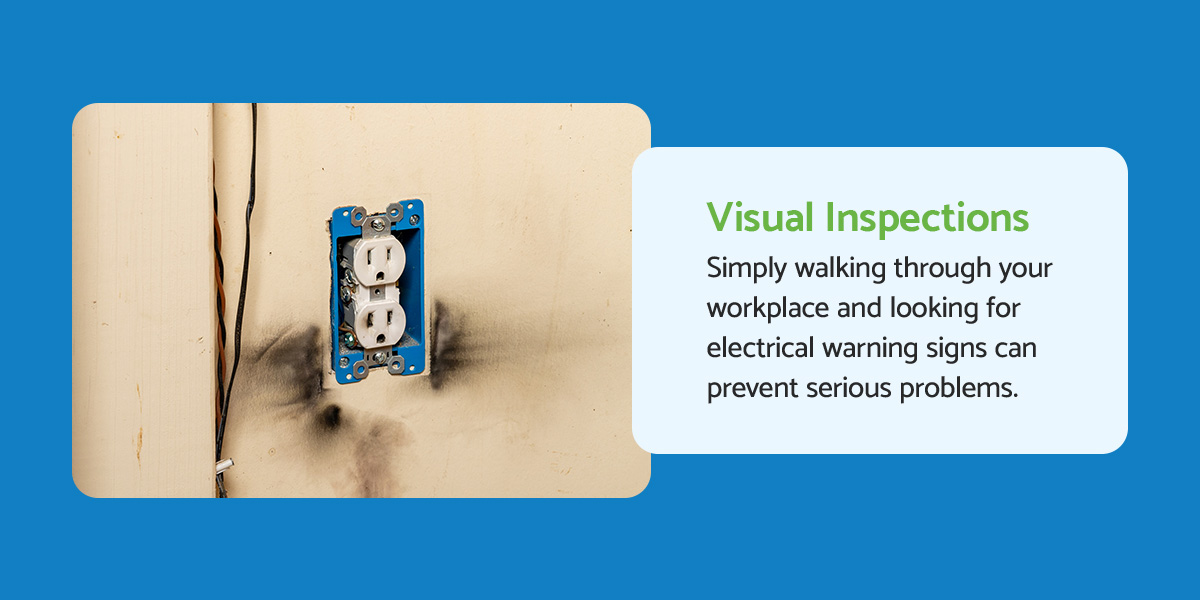
Simply walking through your workplace and looking for electrical warning signs can prevent serious problems. During these inspections, pay attention to the following:
- Damage or frayed cables: Exposed wires can cause shocks or start fires.
- Scorch marks or burn spots: These can indicate overheating or past electrical faults.
- Loose or missing covers: Open junction boxes or panels are unsafe and increase the risk of contact with live wires.
The goal here is to identify issues that require immediate attention from a professional, not to attempt to fix them yourself.
2. Electrical Panels and Systems
The electrical panels receive power from your utility company and then distribute it to various circuits within your business facility. They also contain circuit breakers and fuses that protect against overloads and short circuits, helping prevent electrical fires and damage.
You must keep electrical panels in good shape to ensure both safety and compliance with safety codes. Here’s what you can do:
- Check accessibility: Panels should be easy to reach in case of emergencies.
- Check labeling: Correct labels help professionals quickly identify circuits and avoid mistakes.
- Inspect circuit breakers: Ensure circuit breakers are the correct size and functioning properly to prevent overloads or trips.
Proper panel maintenance ensures your electrical system safely handles connected equipment, preventing overheating, malfunctions and hazards.
3. Outlets, Switches and Grounding
Check all outlets and switches for signs of damage. Common indications include scorch marks, which can result from overheating or electrical arcing. Also, ensure that outlets and switches are properly grounded to prevent electrical shocks and fire hazards.
4. Equipment and Appliances
Ensure that all electrical equipment and appliances in your workplace are operated according to the manufacturer’s instructions for safety. Consider factors like using the correct voltage, not overloading circuits and using equipment for its intended purpose.
Look out for warning signs of potential electrical problems, such as:
- Overheating.
- Unusual noises such as buzzing or cracking.
- Visible damage.
- Smoke or burning smells.
5. Emergency Systems
Electrical safety is as much about mitigating consequences as it is about preventing accidents in the workplace. It’s important to check whether your emergency systems are in good condition to ensure your employees and customers are protected during electrical incidents or power outages.
Do the following to ensure all emergency systems function correctly:
- Check batteries in backup lighting units
- Verify that exit signs and other safety signs are properly lit
- Conduct fire alarm drills
Ensure Safety With an Electrical Safety Program
Spotting potential electrical hazards is important, but you need to develop a comprehensive electrical safety program (ESP) that addresses all relevant requirements and standards. Your program should outline the procedures, policies and training necessary to maintain electrical safety in the workplace.
To effectively implement an ESP, consider the following steps:
1. Document Your Electrical Safety Plan
A strong ESP includes:
- Roles and responsibilities: Clearly define who is responsible for various aspects of your business’s electrical safety, such as inspections, reporting hazards, ensuring compliance and more. This way, you’ll avoid confusion and know who to contact if an issue arises.
- Inspection procedures: Regular inspections help identify potential hazards before they lead to accidents or downtime, so it is essential to outline the frequency of inspections for your electrical system.
- Maintenance schedule: Inspections aside, you must also have a plan for when and how electrical repairs, upgrades and preventive maintenance will be performed to ensure your system stays safe.
- Emergency protocols: Prevention is good, but your ESP must have step-by-step instructions on what employees should do in case of an electrical incident.
2. Prioritize Employee Training
Ensure that all employees who work with or around electricity receive adequate training on how to maintain safety in the workplace. They should know how to spot hazards, operate equipment safely, and respond to emergencies. Safety codes and standards often change, so it’s best to have continuous training to ensure everyone stays up to date with best practices.
3. Implement Regular Electrical Inspections and Maintenance
It’s important to check your electrical systems regularly to keep things safe. For example, you can schedule electrical inspections once or twice a year, depending on the nature of your business and any specific risks associated with it. Regular checks help identify problems early and maintain a safe workplace.
Let GreenBox Heating & Air Help You Maintain Electrical Safety in the Workplace
At GreenBox Heating & Air, we offer professional electrical services to business owners in Lexington, Kentucky, and surrounding counties. We can inspect your electrical system to ensure it complies with OSHA’s workplace safety standards and provide maintenance services to keep it that way.
If you need repair services or want to install a new system that meets electrical safety compliance standards, we’re here for you.
Contact us to schedule a safety inspection today.