

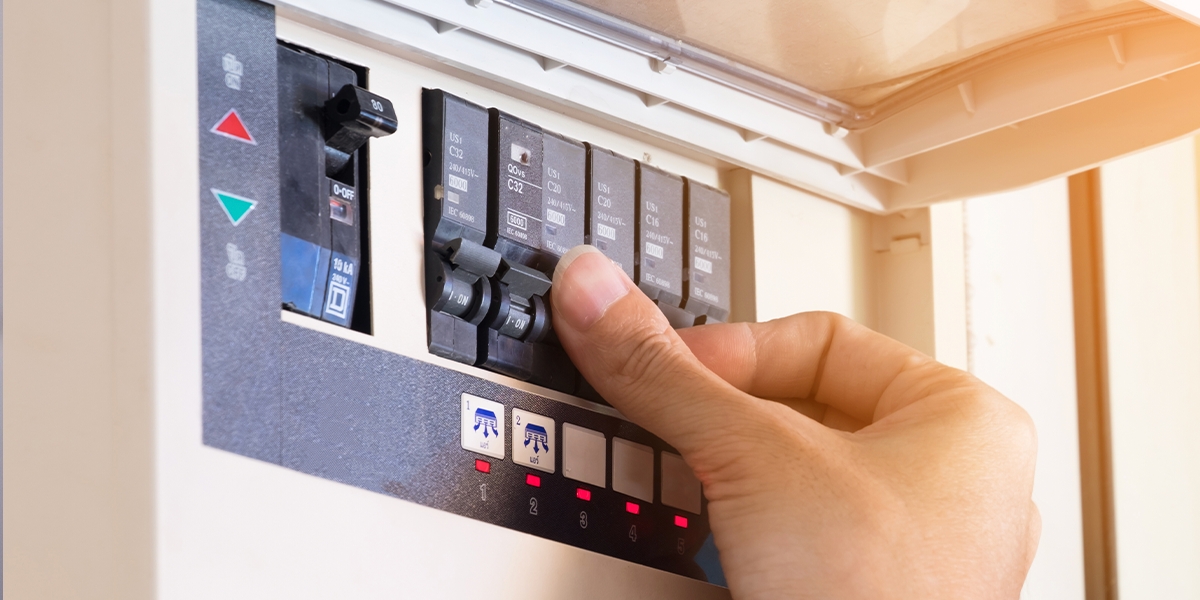
The electrical panel is the heart of your electrical system, offering a safe avenue for control while keeping your wiring tidy. To ensure electrical panel safety, you need at least a basic understanding of how these panels work and what they do for your home.
Key Functions of Your Electrical Panel
The electrical panel is a critical component of any building’s electrical system, performing functions like:
- Distributing power as needed to various rooms, electrical appliances and circuits.
- Protecting circuits against accidental overloading through circuit breakers or fuses.
- Offering control over the building’s complete electrical flow and individual circuits.
- Organizing wiring into manageable individual circuits, like HVAC systems or bathroom lighting.
By performing these and other essential tasks, the electrical panel ensures your home’s electrical system functions safely.
Parts of an Electrical Panel
When you open an electrical panel, you’ll see a few main components, including:
- Main power supply: The main power supply is the line coming in from your utility company, and consists of three wires (neutral, live and ground).
- Primary circuit breaker: A main circuit breaker generally offers control over the entire home’s power supply.
- Secondary circuit breakers: These breakers control power flow to smaller, individual circuits, allowing power to safely flow where needed.
- Bus bars: Bus bars serve as a connection and distribution point from the main neutral and ground wires to secondary circuits.
- Fuses: In older electrical systems, you may see fuses rather than circuit breakers. Circuit breakers switch off when troubles arise and fuses blow, requiring replacement to restore power.
These are the main components of the standard electrical panel, and some panels are more complex. You may also see various kinds of circuit breakers, including ground fault circuit interrupter (GFCI) breakers.
Electrical Panel Safety Requirements
Both the National Electrical Code (NEC) and the Occupational Safety and Health Administration (OSHA) specify guidelines for installing and labeling electrical panels. A few significant examples include:
- All panels must be firmly affixed to a mounted surface as close to the service cable as possible.
- Every panel should be grounded and bonded to ensure safe connections and prevent electrical faults.
- Every circuit breaker must have a clear, accurate label that identifies the equipment or area the circuit serves.
- The number of circuit breakers may not exceed the panel’s listed maximum capacity.
These are just a few of the many critical safety requirements for electrical panel installation. For a complete overview, refer to the National Electrical Code and OSHA regulations.
7 Warning Signs of an Unsafe Electrical Panel
The following are telltale signs that your electrical panel needs repairs or replacement:
1. Frequent Breaker Tripping
Consistent breaker tripping may be a sign of electrical panel failure or malfunction — circuit breakers trip to protect your home’s circuits from electrical overload.
If your home’s electrical system is using more energy than your panel is rated for, you’ll experience tripping regularly. This symptom generally indicates that your system is overloaded and needs an upgrade.
2. Unusual Sounds or Burning Smells
Is your panel making strange noises or producing unpleasant odors? This symptom may indicate loose wires, damaged components or overloaded circuits that are overheating.
If you experience any unusual sounds whatsoever, including crackling or popping noises, or smells like smoke, charring or melting plastic, get professional help. The problem may be minor, or it could indicate something significant that becomes a fire hazard later on.
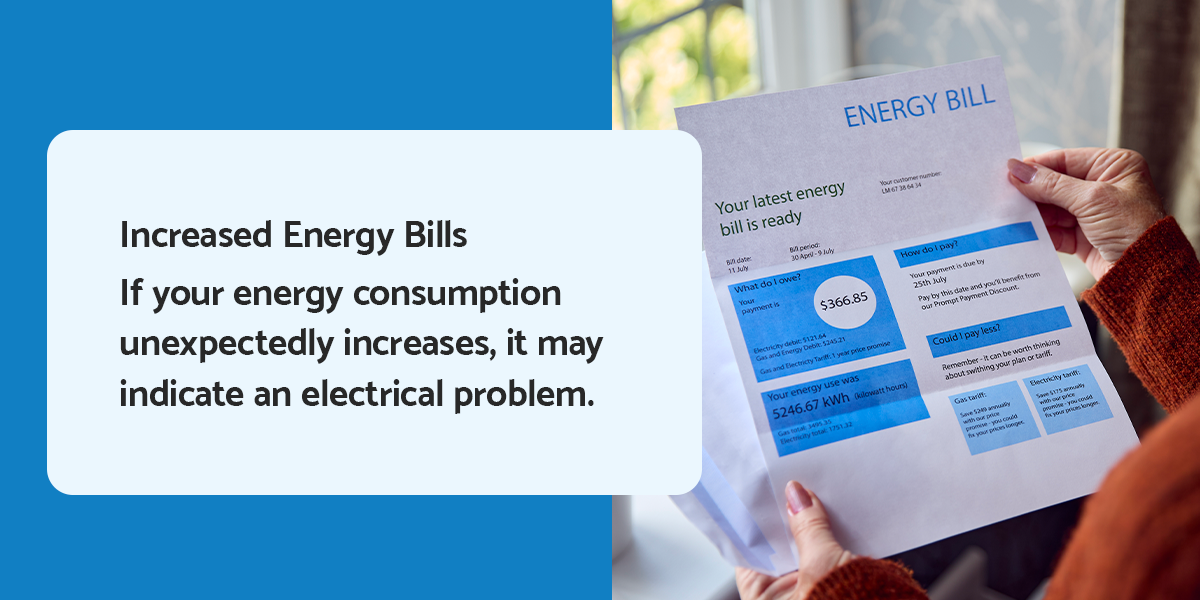
3. Increased Energy Bills
If your energy consumption unexpectedly increases, it may indicate an electrical problem. Older systems may have outdated or rusty wiring, leading to inefficient distribution and increased consumption. If you think an outdated electrical panel is the cause, consult a professional.
4. Melting or Scorching
If your electrical panel is hot to the touch, has burn or scorch marks or gets warm for no apparent reason, it indicates a serious problem. There may be a short circuit, a failed component or a system overload, leading to overheating. This is a serious fire hazard, so book an inspection immediately.
5. Visible Damage
From water damage to heat damage, rust or corrosion, any visible damage is a sign to replace your electrical panel. It indicates that the panel is likely outdated and may also point to damage from past events. Your electrical panel should never have visible damage, though you may see minor dings or scratches over time.
6. Flickering or Dimming Lights
Lights are some of the most sensitive fixtures in your home. If more than one of your lights dims or flickers regularly, it can signify underlying electrical issues. Whether it’s from an overloaded panel or a secondary problem, it’s a sure sign that you need to have your system evaluated.
7. Melted or Exposed Wires
If you open your panel and see melted or exposed wires, your panel needs repair or replacement. These are signs of a significant electrical problem, either in the panel or elsewhere in your home, and require professional evaluation and repair.
Homeowner’s Guide to Electrical Panel Safety
As a homeowner, there are a few things you can do to protect yourself and maintain electrical panel safety:
- Never touch exposed wiring: Unless you’re a qualified electrician, you should never open the back portion of an electrical panel, where the wiring is. And, if you see any exposed or disconnected wiring, step away and call an electrician. Any wire can be live and poses risks for electrocution.
- Maintain a clear space: Always maintain a clear space around your electrical panel to prevent accidents and ensure easy access.
- Perform regular visual inspections: Regularly do a basic visual inspection of your panel. Check for signs of damage, strange smells or sounds, disconnected or exposed wiring and anything else that looks out of place. If you do see something unusual or worrisome, contact a qualified electrician.
Electrical Panel Safety FAQs
We’ve compiled some of your most-asked questions about electrical panels and answered them below:
- Do electrical panels need maintenance? Yes, electrical panels require maintenance to ensure their longevity and continued adherence to code updates. It’s best to have an electrician do an annual inspection to ensure everything is in order and up to code.
- Will a new electrical panel save you money? A new electrical panel can save you money if your old panel is outdated or defective, leading to increased power usage. Upgrading your electrical panel may also save you money if your panel isn’t up to code, since that may result in fines or penalties.
- When does an electrical panel need to be replaced? You should replace an electrical panel if it is outdated, doesn’t meet safety requirements, or is too small for the needed number of circuit breakers. A professional can help you determine when to replace your electrical panel.
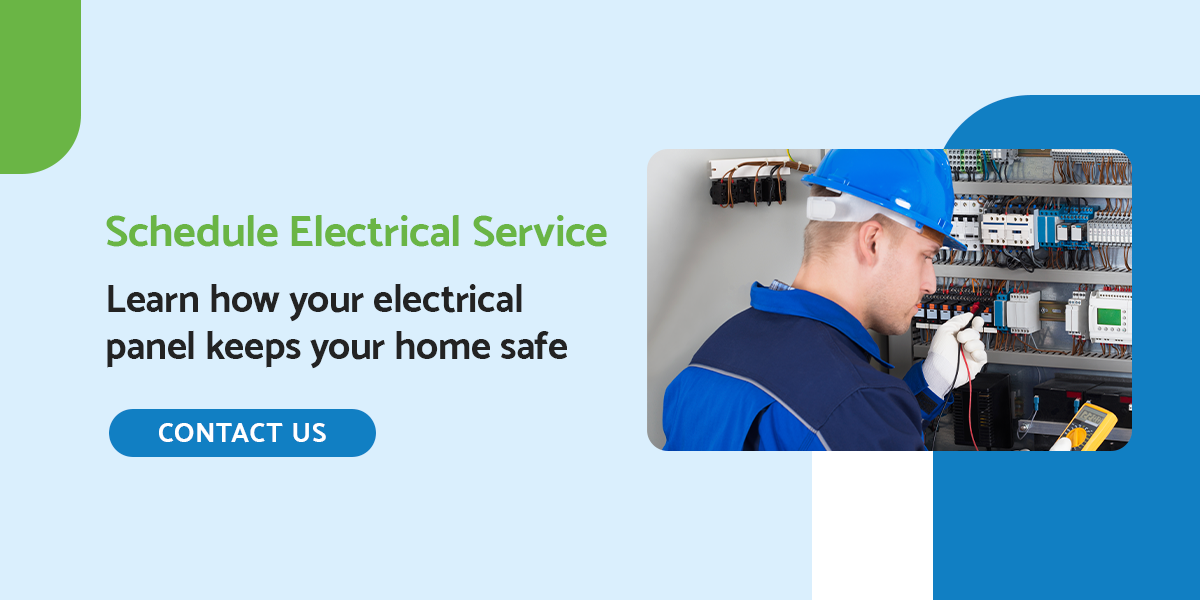
Schedule Electrical Service With GreenBox Heating & Air Today
GreenBox Heating & Air provides professional electrical services, including inspections, repairs and installations for customers in Lexington, Kentucky, and surrounding counties. Our trained technicians are here to give you greater peace of mind knowing your home’s electrical box is working properly.
Contact GreenBox Heating & Air to schedule service today.