


Water features are soothing — think bubbling fountains, tranquil ponds and cascading waterfalls. Walking into your business to find the floor has become an unexpected water feature? Not quite as soothing. Plumbing emergencies cause major stress for commercial property managers and business owners.
Water damage costs run deep, from ruined inventory to lost revenue. The good news is that a little proactive planning and commercial plumbing preventive maintenance can help avoid disasters.
Follow this handy water damage prevention guide to restore tranquility to your business.
The True Cost of Commercial Plumbing Failures
When plumbing emergencies strike businesses, they cause ripples far beyond the repair cost. The consequences of commercial plumbing breakdowns include:
– Emergency repairs: Out-of-hours plumbing repairs often cost far more than regular service.
– Business interruption: Burst pipes or backed-up sewers can halt operations. A business closed for plumbing repairs means downtime and lost revenue.
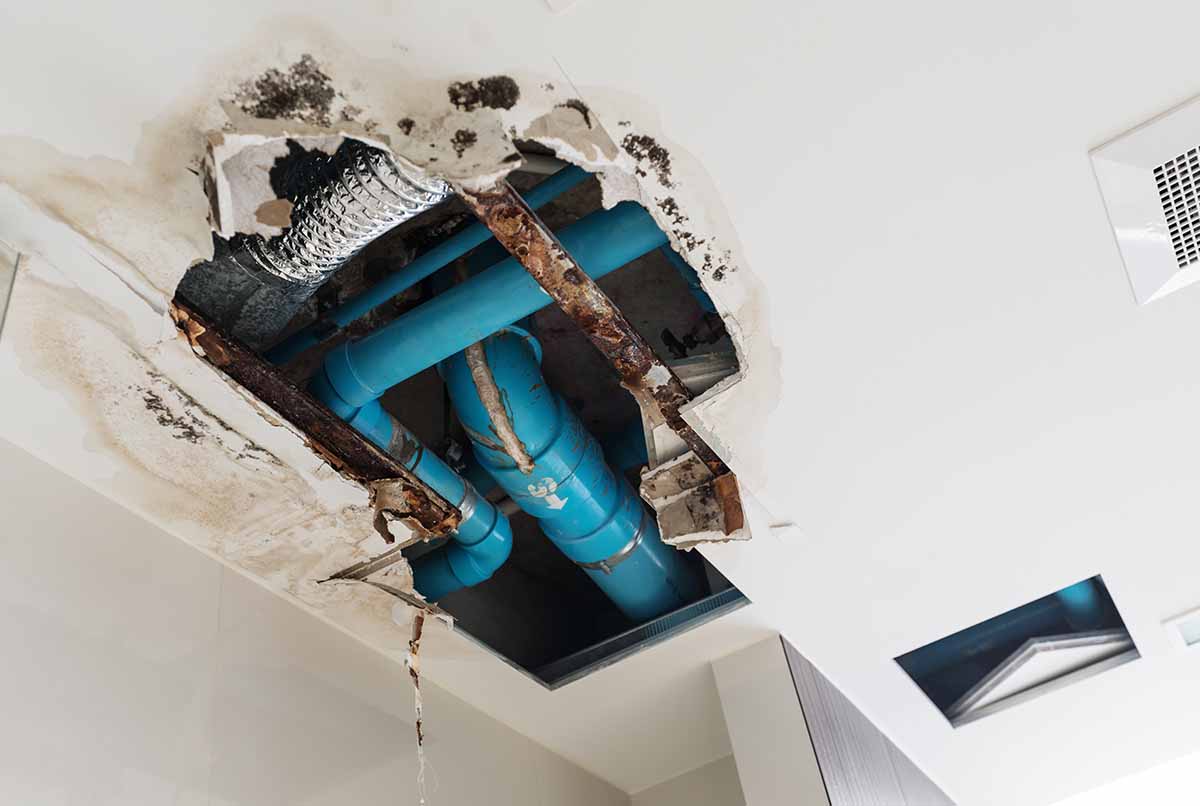
– Property damage: Water can get into walls, floors and ceilings. Left unchecked, leaks can cause expensive — and dangerous — structural damage. Beyond damaging property, plumbing failures can destroy expensive equipment, furniture or inventory.
– Insurance risks: Water damage insurance claims can raise premiums. If improper maintenance caused the damage, your provider may reject your claim.
– Higher utility bills: A leak could be the culprit if you notice a sudden spike in your commercial water bill. Leaks account for more than 10,000 gallons of water waste per year in the average U.S. household. For large commercial properties, this number multiplies.
– Unhappy tenants: Plumbing and maintenance are some of the most common complaints. Dissatisfied tenants are less likely to renew their leases.
– Negative experience: Plumbing emergencies can leave a bad taste in customers’ mouths, and an unpleasant experience may cause them to choose a different business.
Recognizing Sources of Commercial Water Damage
Identifying warning signs takes many of your senses. Look for rusty water, low pressure or unexplained puddles. Listen for noisy pipes and gurgling drains. Keep a nose out for rotten egg or musty smells that signal bacteria and mold. Feel for damp patches on walls, floors or ceilings.
Business plumbing failure prevention starts with knowing where emergencies start.
Common Plumbing Emergencies
From no hot water to leaky pipes, these plumbing problems can wreak havoc on businesses:
– Clogged drains
– Leaking fixtures
– Faulty water heaters
– Sewer backups
– Burst pipes
– Overflowing or constantly running toilet
– Gas leaks
– Low water pressure
Seasonal Plumbing Emergency Risks
The seasons present their own plumbing challenges. For example, plumbing pipes can freeze and burst during Kentucky’s icy winters. Water heaters also have to work harder to heat colder water. Spring rain can overwhelm sump pumps or cause drains to overflow. Hot summers mean higher water use, which can impact sewer lines or water pressure. In the fall, leaves may clog exterior drains.
Year-round maintenance keeps plumbing systems in great shape through every season.
How to Prevent Commercial Plumbing Issues
A detailed plan helps avoid the expense and headache of commercial plumbing issues. Here are some plumbing maintenance tips to prevent water damage:
1. Schedule Commercial Preventive Plumbing Maintenance
Routine plumbing inspections address small issues before they become major emergencies. Delegate this important responsibility to plumbing professionals. With training, the right tools and a can-do attitude, they can catch what you might miss. Typical commercial plumbing maintenance includes:
– Inspecting every component of the plumbing system for wear or damage
– Checking fixtures, pipes and valves for leaks
– Testing shut-off valves for proper operation
– Verifying water pressure and quality
– Locating and clearing blocked pipes or drains
– Looking for corrosion and sediment buildup in water supply lines
– Examining sewer systems, gas lines and backflow prevention devices
Regular maintenance saves time and money while extending the life of your plumbing. Most experts recommend an annual plumbing service. Consider biannual maintenance visits for large or complex commercial buildings, like industrial facilities.
2. Upgrade Outdated Infrastructure
Vintage is great for fashion, but not for plumbing. If your property’s pipes hail from the early 19th century, it’s time to consider an upgrade. Updating your plumbing system has many benefits. It reduces repair costs, improves energy efficiency and enhances tenant comfort. Modern plumbing can add value by making your building more attractive to potential buyers.
3. Leverage Modern Plumbing Technology
Today’s advanced plumbing technology can help you outsmart problems before they happen. Some smart plumbing technologies include:
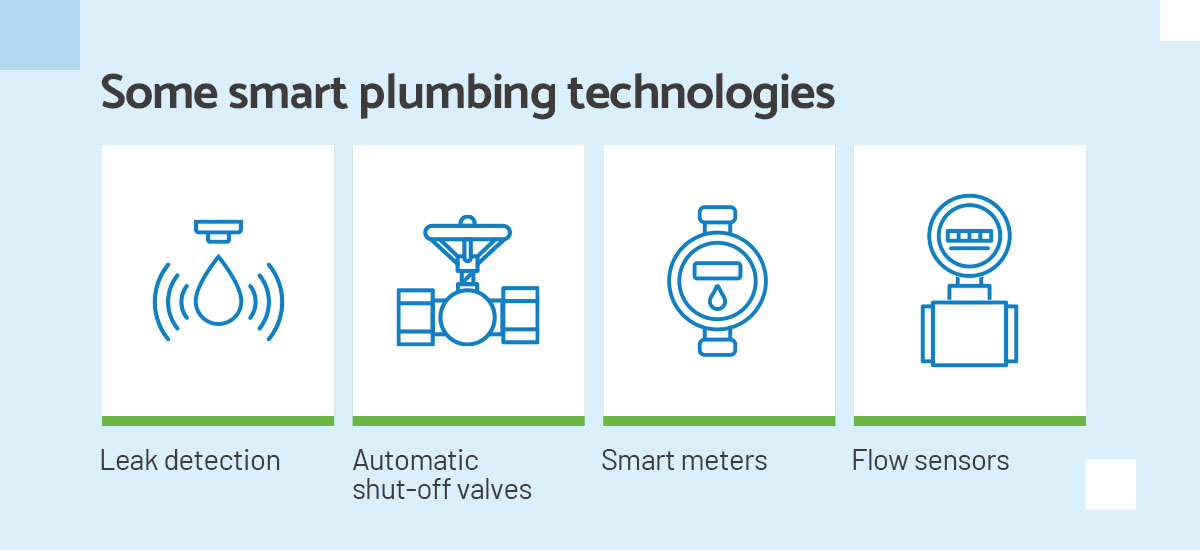
– Leak detection: These detectives alert you to leaks in real time so you can take quick action.
– Automatic shut-off valves: When the valve detects a leak, it shuts off the water supply.
– Smart meters: Monitor, manage and measure water use through one clever solution.
– Flow sensors: These devices detect irregular water flow that can signal a bigger problem.
4. Educate Staff on Best Practices
Make employees and tenants part of your business plumbing prevention super team. Train them on water conservation practices, proper waste disposal and emergency shut-off protocols. Education protects your plumbing while empowering people to become solution-minded.
5. Create a Plumbing Emergency Response Plan
Even with precautions, sometimes commercial plumbing emergencies happen. A response plan can make the difference between a minor hiccup and a major disaster. Your emergency plumbing plan should include:
– Clear responsibilities: Establish who does what during an emergency. Tasks may involve shutting off the water supply, calling a plumber or alerting staff.
– Shut-off valve locations: Include a floor plan showing where to find the shut-off valve. In an emergency, shutting off the water supply helps prevent further damage. The same applies to the water heater.
– Emergency contacts: Include a list of important numbers, such as your plumbing partner, insurance provider and senior management.
– Safety protocols: List the steps to follow if the plumbing emergency becomes hazardous. This procedure might include how to evacuate staff or tenants from the building.
– Insurance requirements: Add the documentation needed for a claim. Photos or videos of the damage can make the claim process smoother.
Industry-Specific Plumbing Prevention
Each industry has its own plumbing challenges. What works in a restaurant kitchen might not suit a factory floor. You can keep business running smoothly in any setting with tailored prevention strategies.
Restaurants and Food Service
Kitchens face food-clogged drains, blocked grease traps and water heater issues. Here are a few ways to take plumbing surprises off the menu:
– Clean grease traps every few weeks. Watch for signs of blockages and train staff on proper grease trap care.
– Avoid pouring hot grease or food debris into drains. Install sink strainers and run hot water into drains to avoid food buildup.
– If you notice a leak, call a plumber immediately. Install fixtures and components strong enough for heavy-duty restaurant use.
– Put up signage about non-flushable items. Assign a staff member to inspect toilets often and schedule routine maintenance.
Retail and Office Spaces
To avoid shoppers or staff side-stepping puddles, add these steps to your plan:
- Install automatic flush toilets and touchless faucets to boost hygiene while reducing wear.
- Add signs that state what customers or staff can and can’t flush in bathrooms.
- Establish guidelines to protect office equipment or retail inventory during an emergency.
- Hire cleaning staff to maintain bathrooms.
- Use smart water monitoring systems to alert you to leaks, water waste or flooding.
Manufacturing and Industrial Facilities
Maintaining industrial plumbing is trickier than other commercial spaces. They have specialized systems for manufacturing waste, chemicals and high water volumes. If you manage or own a manufacturing plant, take extra precautions by:
– Placing smart plumbing devices in different zones of large facilities.
– Upgrading to energy-efficient plumbing fixtures to enhance performance and save costs.
– Investing in routine inspections and maintenance with a plumber experienced in industrial plumbing.
– Using water monitoring for real-time alerts that can prevent plumbing catastrophes.
– Replacing corroded pipes with piping made from durable materials to handle chemicals.
Call Us for Proactive Plumbing Care
Plumbing emergencies give commercial property managers sleepless nights. The secret to happier tenants, a safer building and a more peaceful night’s sleep? Partnering with a trusted, experienced plumbing provider. GreenBox Heating & Air is all that and more.
Commercial customers rely on us to protect their peace of mind. We handle the full A to Z of plumbing services in central Kentucky. Call us for everything from around-the-clock emergency repairs to preventive maintenance. Our plumbing heroes do whatever it takes to restore safety and comfort.
Experience Reliable Service By Good People. Call us now at 859-927-3246 or schedule your commercial appointment.